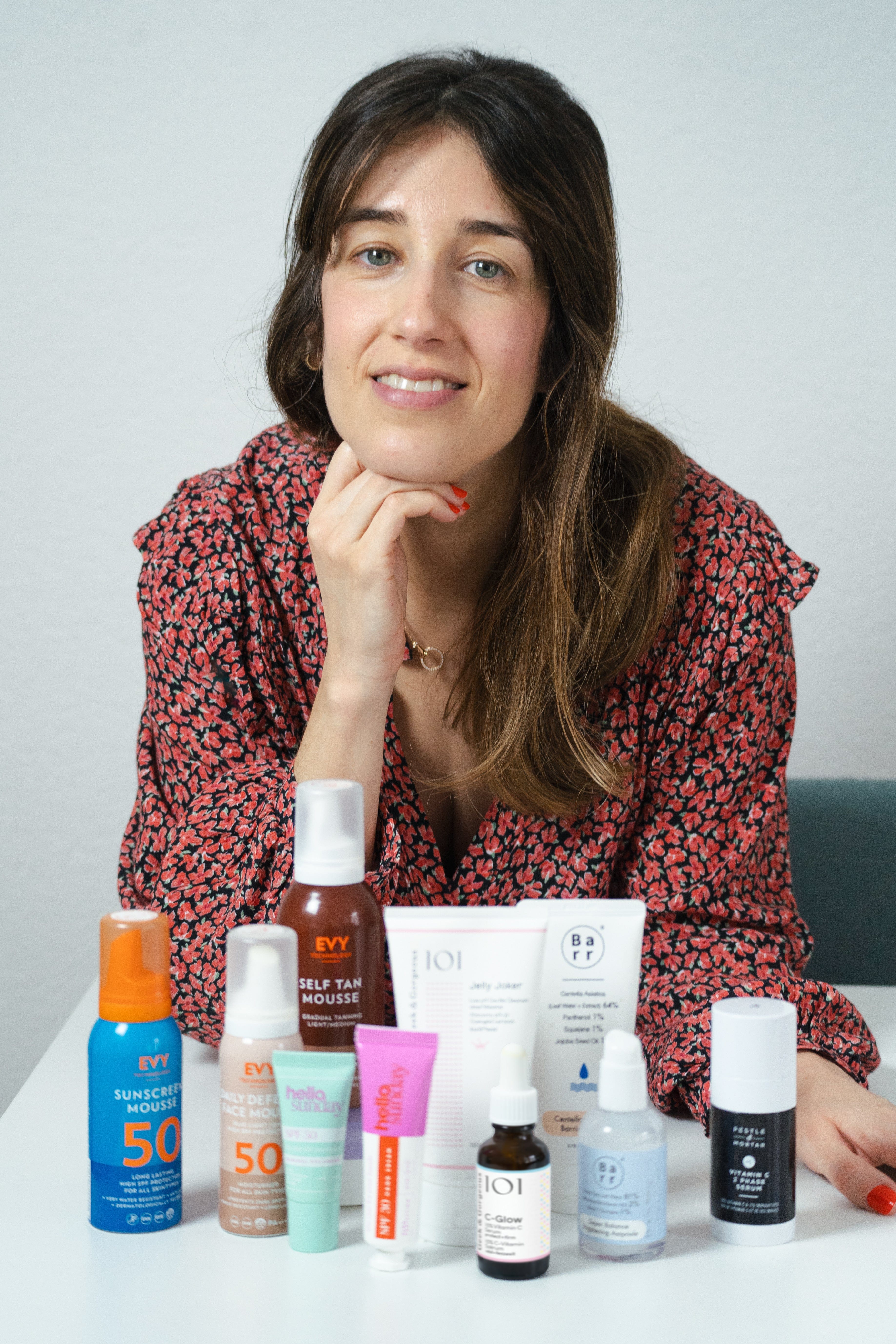

Lorsque les températures chutent (surtout en dessous de zéro, comme en Suisse), il est normal de ressentir des tiraillements et une sécheresse cutanée. Ce guide des soins essentiels pour l'hiver vous aide à comprendre les besoins de votre peau durant les mois les plus froids, les ingrédients à privilégier et les soins spécifiques à apporter. Il présente également les produits proposés par Disruptif Beauty et les consultations personnalisées qu'ils offrent pour celles et ceux qui souhaitent un programme sur mesure.
Pourquoi avez-vous besoin d'une routine différente en hiver ?
Le principal problème réside dans le contraste entre l'air froid extérieur et l'air chaud et sec intérieur, qui déshydrate la peau et fragilise sa barrière protectrice. De plus, en altitude, l'exposition aux UV peut rester importante même par temps frais, tandis que le vent et les variations de température accélèrent la déshydratation cutanée. Par conséquent, la barrière cutanée devient plus fragile, le risque d'inflammation augmente et l'efficacité des produits topiques est altérée.
En hiver, la routine vestimentaire ne consiste pas à superposer plusieurs couches, mais à choisir des vêtements plus intelligents qui retiennent l'humidité, apaisent et protègent contre les agressions environnementales.
Comment créer une routine de soins de la peau pour l'hiver
- Protégez la barrière cutanée : privilégiez les ingrédients qui reconstituent les lipides et réduisent la perte insensible en eau (PIE).
- Privilégiez l'hydratation : associez des humectants à des émollients et des occlusifs pour une hydratation à plusieurs niveaux.
- Exfoliez en douceur : une exfoliation excessive en hiver peut aggraver la sécheresse et la sensibilité.
- N’oubliez pas la protection solaire : les rayons UV sont toujours importants ; utilisez quotidiennement une crème solaire à large spectre, même par temps couvert ou lorsque vous skiez.
- Simplifiez autant que possible : une routine plus courte et régulière avec les bons produits vaut mieux qu’un programme élaboré et difficile à suivre.
Quels ingrédients choisir pour les soins de la peau en hiver ?
Humectants pour attirer et retenir l'eau
- Acide hyaluronique : un hydratant classique qui retient plusieurs fois son poids en eau. Son efficacité est optimale lorsqu’il est appliqué sous une crème hydratante afin d’éviter l’évaporation.
- Glycérine : Abordable et fiable. La glycérine attire l’hydratation et favorise la réparation de la barrière cutanée.
- Panthénol (vitamine B5) : Apporte de l'hydratation et aide à apaiser les peaux irritées.
Émollients pour lisser
- Squalane : Léger, non gras et adapté à la plupart des types de peau, y compris les peaux mixtes et sensibles.
- Acides gras (linoléique, oléique) : souvent présents dans les huiles végétales (rose musquée, argan, tournesol), ils restaurent la matrice lipidique de la peau.
- Céramides : Lipides essentiels qui reconstruisent la barrière cutanée et réduisent la sensibilité et la sécheresse.
Les occlusifs, pour conclure l'affaire
- Vaseline (pommade) : Extrêmement efficace pour prévenir la perte d'eau ; excellente pour les peaux très sèches ou gercées.
- Diméthicone et silicones : contrairement à ce que prétendent de nombreuses tendances alarmistes, les silicones sont bénéfiques pour la peau ! Elles forment une couche respirante et lissent le grain de peau sans laisser de film gras.
- Cire d'abeille et lanoline : agents occlusifs naturels souvent présents dans les baumes pour les lèvres et les zones sèches.
Ingrédients renforçant la barrière cutanée et apaisants
- Niacinamide : Régule le sébum, renforce la barrière cutanée et apaise l’inflammation. C’est un ingrédient polyvalent adapté à de nombreux types de peau.
- Centella Asiatica (Cica) : Apaisante et bénéfique pour les peaux réactives ou sensibilisées.
- Allantoïne et panthénol : agents hydratants et apaisants doux pour la peau.
Antioxydants et actifs doux
- Vitamine C (formes stables comme le glucoside d'ascorbyle) : illumine le teint et protège du stress oxydatif. À utiliser avec une crème hydratante et une protection solaire.
- Acide lactique : un acide alpha-hydroxylé (AHA) doux qui hydrate tout en exfoliant légèrement. Il est plus sûr que les acides plus forts (comme l’acide glycolique) en hiver, lorsqu’il est utilisé avec modération.
Ce à quoi il faut faire attention
- Les fortes concentrations d'exfoliants physiques ou les peelings chimiques puissants peuvent éliminer les couches lipidiques ; il est donc conseillé de procéder à une exfoliation douce et moins fréquente.
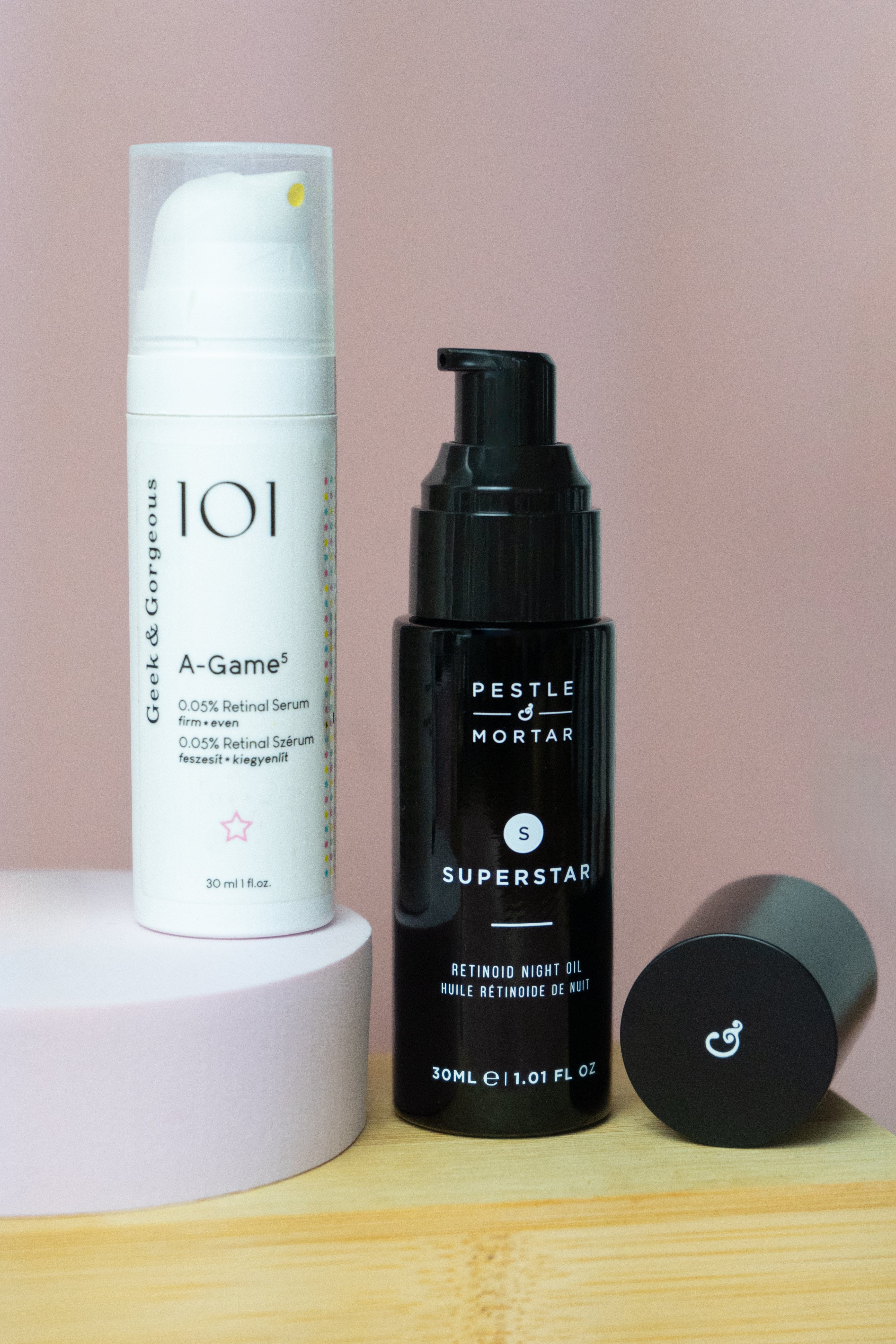
- Les rétinoïdes puissants restent utilisables en hiver pour beaucoup, mais peuvent accentuer la sécheresse et la sensibilité cutanées. Réduisez la fréquence d'utilisation ou associez-les à des crèmes hydratantes plus riches et à des actifs réparateurs de la barrière cutanée.
- Les lotions toniques ou les parfums riches en alcool peuvent aggraver la sécheresse.
Exemple de routine matinale pour l'hiver
Votre routine matinale doit hydrater, protéger et préparer votre peau pour la journée. Voici une routine simple et efficace en cinq étapes, adaptable selon le temps dont vous disposez et vos besoins :
- Nettoyage en douceur : Utilisez un nettoyant hydratant ou une crème nettoyante. Évitez les mousses décapantes, sauf si votre peau en a vraiment besoin (peau très grasse).
- Sérum hydratant : Appliquez un sérum à base d'acide hyaluronique sur peau humide pour une meilleure absorption.
- Hydratant : Appliquez une crème de jour enrichie en agents protecteurs. Pour les peaux sèches, privilégiez une formule plus riche ; pour les peaux grasses, une crème-gel est plus adaptée.
- Protection solaire : Crème solaire à large spectre SPF 30+ tous les jours. En régions enneigées ou montagneuses, un SPF plus élevé et des applications régulières sont essentiels.
- Soin des lèvres : Baume simple aux ingrédients occlusifs pour protéger les lèvres des gerçures.


Exemple de routine du soir pour l'hiver
La nuit est consacrée à la récupération. L'objectif est de réparer la barrière cutanée et de maintenir l'hydratation sans surcharger la peau.
- Double nettoyage (si vous portez du maquillage ou de la crème solaire) : commencez par un nettoyant à base d’huile ou de baume, puis poursuivez avec un nettoyant doux à base d’eau.
- Sérums de traitement : Utiliser des traitements ciblés (niacinamide, céramides, vitamine C le soir si tolérée, ou rétinoïde selon un programme d’application régulier).
- Hydratant : Appliquez une crème de nuit plus riche ou un baume barrière.
- Huile faciale facultative : à appliquer en dernier si une occlusion supplémentaire est nécessaire.


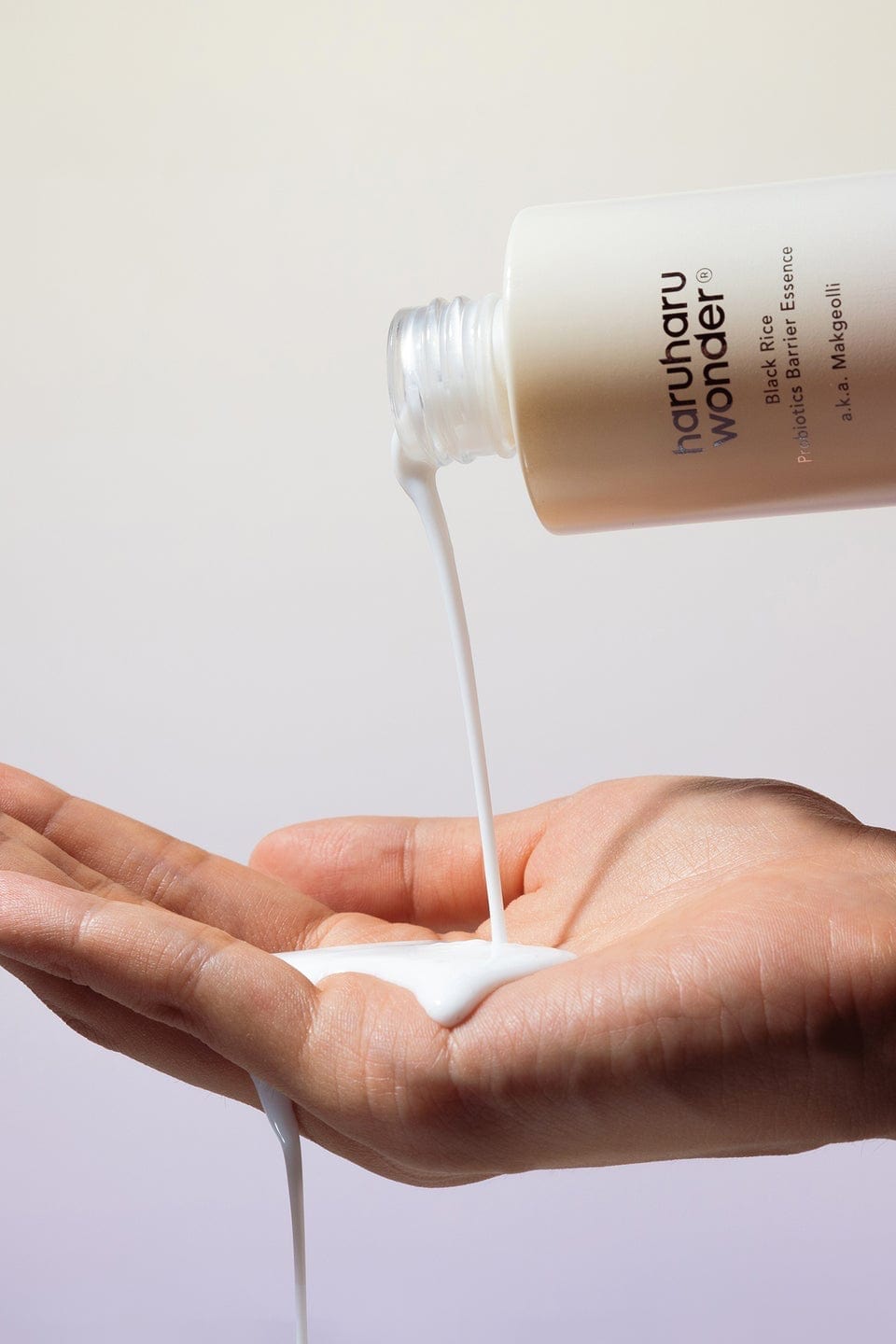
Pour les matins et les soirs chargés, privilégiez les produits multifonctionnels comme un soin hydratant enrichi d'ingrédients réparateurs de barrière cutanée et d'antioxydants. L'essence barrière probiotique au riz noir Haruharu Wonder en est un parfait exemple.
Soins spéciaux et masques
Des traitements hebdomadaires ou bihebdomadaires peuvent accélérer la récupération et raviver l'éclat :
- Masques en tissu hydratants : les chouchous de la K-Beauty ; à utiliser comme un soin de 15 à 20 minutes pour booster l’hydratation.
- Masques de nuit / huiles de nuit : Idéaux pour se ressourcer après un long vol ou une journée froide en extérieur.
- Exfoliation chimique douce : Un peeling léger à l’acide lactique une fois par semaine peut lisser les squames. Évitez les gommages agressifs en hiver.
Soins capillaires essentiels pour l'hiver
Les cheveux subissent des problèmes de déshydratation similaires en hiver : sécheresse, électricité statique et pointes cassantes sont fréquentes. Quelques changements ciblés permettent de garder des cheveux sains et éclatants durant les mois froids.
La santé du cuir chevelu avant tout
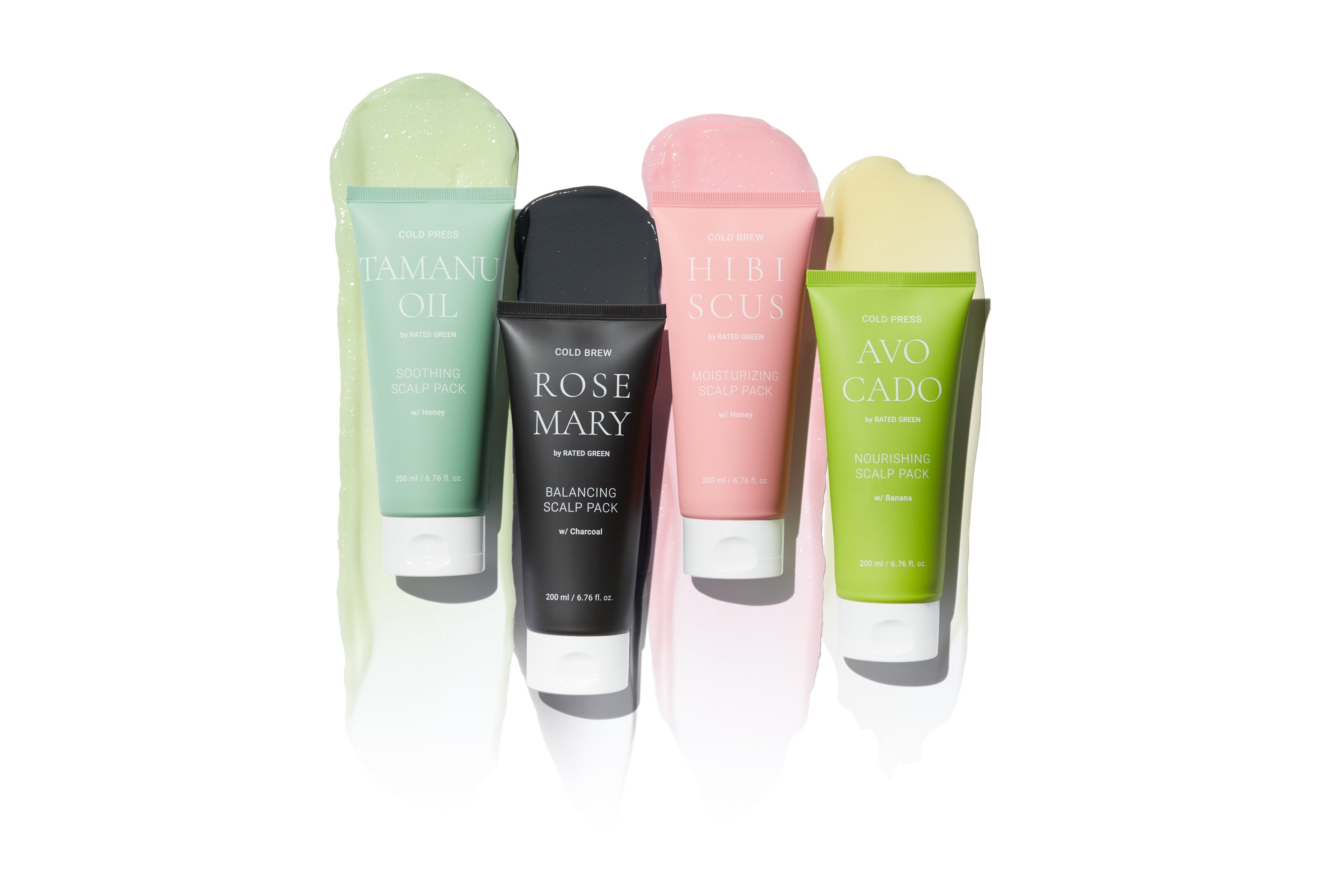
Le cuir chevelu sec et les pellicules peuvent s'aggraver en hiver. Utilisez un nettoyant doux et hydratant et envisagez un masque ou un soin capillaire hebdomadaire (à appliquer sur les racines, laisser poser 10 à 30 minutes, puis shampoing), comme le masque à l'avocat pour le cuir chevelu de Rated Green . Autre point très important : évitez l'eau chaude pour le rinçage. L'eau tiède suffit.
Shampoing et après-shampoing
- Si vos cheveux sont secs, optez pour un shampoing plus doux et sans sulfate.
- Faites un soin revitalisant en profondeur chaque semaine avec un masque riche en insistant sur les pointes (la partie la plus sèche).
- Utilisez un après-shampoing sans rinçage pour contrôler les frisottis et l'électricité statique, et pour ajouter une couche protectrice lorsque vous portez des écharpes ou des chapeaux.

Coiffage et chaleur
L'utilisation d'appareils chauffants peut abîmer davantage les cheveux secs. Utilisez un spray thermoprotecteur, maintenez une température modérée et limitez autant que possible l'utilisation d'appareils chauffants au quotidien.
Huiles et sérums
Les huiles légères pour le visage, comme le squalane ou l'huile d'argan, appliquées avec parcimonie sur les pointes, peuvent redonner de l'éclat et réduire les fourches. Pour les cheveux très secs, les huiles plus riches, comme l'huile de camélia, sont idéales.
Conseils pratiques pour les hivers suisses et les vies trépidantes
- Gardez vos produits à portée de vue : une crème hydratante du matin posée sur une étagère de coiffeuse ou de salle de bain encourage son utilisation.
- Indispensables en format voyage : emportez une brume hydratante, un baume à lèvres et une crème hydratante en format voyage pour une hydratation optimale lors de vos déplacements, vos trajets quotidiens ou vos séjours au ski.
- Réglez la température de l'eau : les douches plus fraîches réduisent la perte d'eau transépidermique de la peau et du cuir chevelu.
- Utilisez un humidificateur : un petit humidificateur dans les chambres ou les bureaux contribue grandement à maintenir l’hydratation de la peau pendant la nuit.
- Superposition de soins adaptée à votre type de peau : Les personnes présentant des problèmes de peau variés peuvent utiliser des soins ciblés et une crème de jour équilibrée avec protection solaire.
Foire aux questions
Quels sont les meilleurs ingrédients pour les soins de la peau en hiver ?
Les meilleurs ingrédients comprennent des humectants comme l'acide hyaluronique et la glycérine pour attirer l'hydratation ; des émollients comme le squalane et les acides gras pour lisser et nourrir la peau ; et des agents occlusifs tels que la vaseline ou la diméthicone pour retenir l'hydratation. Des actifs réparateurs de la barrière cutanée comme les céramides et la niacinamide sont essentiels pour réduire la sensibilité et restaurer la souplesse de la peau.
Quel est le meilleur sérum pour les peaux sèches en hiver ?
Un sérum d'hiver de qualité supérieure associe généralement l'acide hyaluronique à des céramides ou au squalane. Ces sérums multifonctionnels hydratent instantanément et contribuent à la réparation de la barrière cutanée sur le long terme. Chez Disruptif Beauty, nous sommes fiers de proposer une sélection de sérums hydratants et d'offrir des consultations personnalisées afin de trouver le sérum le mieux adapté à vos besoins.
Quelles sont les meilleures crèmes hydratantes pour l'hiver en Suisse ?
Pour les hivers suisses, les crèmes hydratantes les plus efficaces sont celles qui contiennent des céramides, de la glycérine et un agent occlusif pour les peaux très sèches. En journée, une crème légère, complétée par l'hydratation d'une protection solaire, est idéale. Le soir, privilégiez des crèmes plus riches et plus occlusives. Disruptif Beauty propose une sélection de crèmes, baumes et produits de beauté coréens adaptés aux peaux sèches, mixtes, grasses et sensibles, et parfaitement adaptés aux conditions climatiques locales.
Puis-je utiliser du rétinol en hiver ?
Oui, mais avec précaution. Les rétinoïdes peuvent accentuer la sécheresse et la sensibilité cutanées. Réduisez la fréquence d'application (par exemple, deux fois par semaine) et associez-les à des crèmes hydratantes riches et à une protection solaire. En cas d'irritation, interrompez le traitement et consultez un professionnel des soins de la peau ou un conseiller Disruptif Beauty pour explorer des alternatives comme le bakuchiol ou des formulations de rétinoïdes plus douces.
Ai-je besoin de crème solaire en hiver ?
Absolument. L’exposition aux UV demeure un risque en hiver, surtout dans la neige ou en altitude où la réverbération est plus intense. Utilisez quotidiennement une crème solaire à large spectre avec un FPS de 30 ou plus et renouvelez l’application lors d’expositions prolongées au soleil.
Comment Disruptif Beauty aide
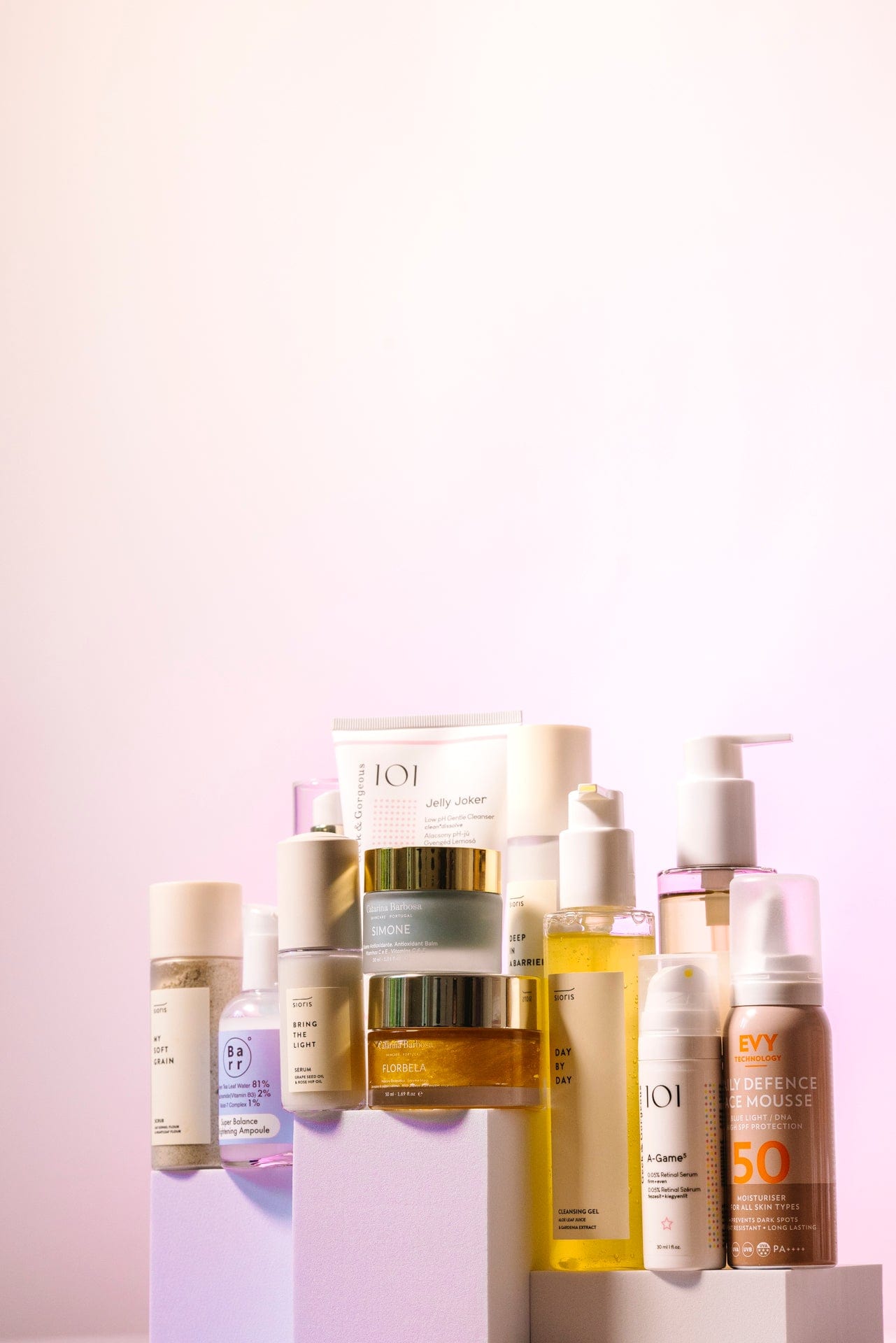
Disruptif Beauty propose une sélection pointue de soins coréens et internationaux, spécialement conçus pour répondre aux besoins spécifiques de la peau en hiver. Nous offrons également des consultations personnalisées, idéales pour les personnes qui découvrent les soins de la peau ou qui souhaitent adapter leurs soins aux variations saisonnières. Dans la mesure du possible, nous incluons des échantillons gratuits dans chaque commande afin que vous puissiez tester nos produits avant de les acheter.
Pour celles et ceux qui ne savent pas par où commencer, une consultation permet d'identifier les ingrédients actifs qui correspondent au profil du lecteur et les textures qui rendront les routines quotidiennes réalistes et agréables.