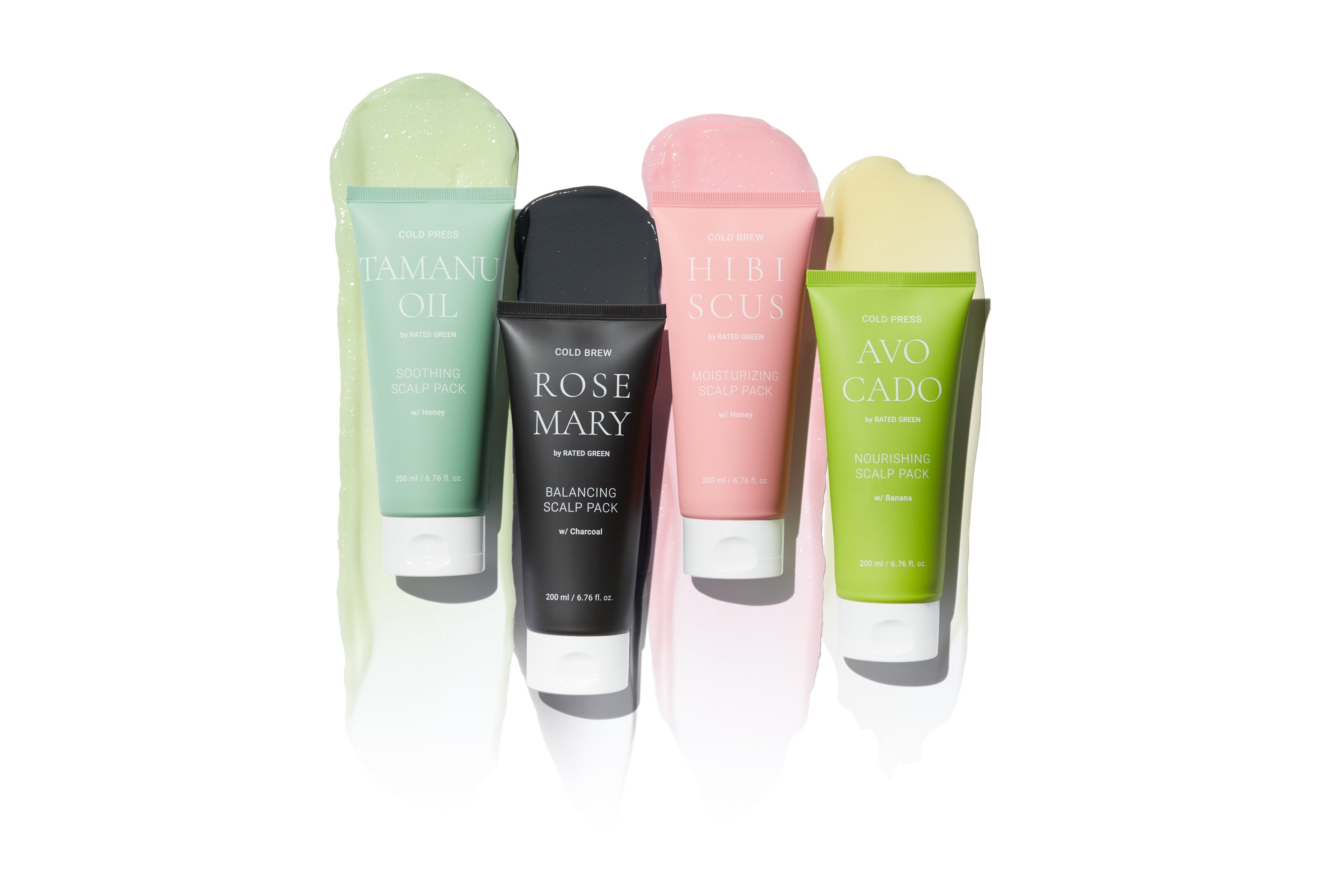
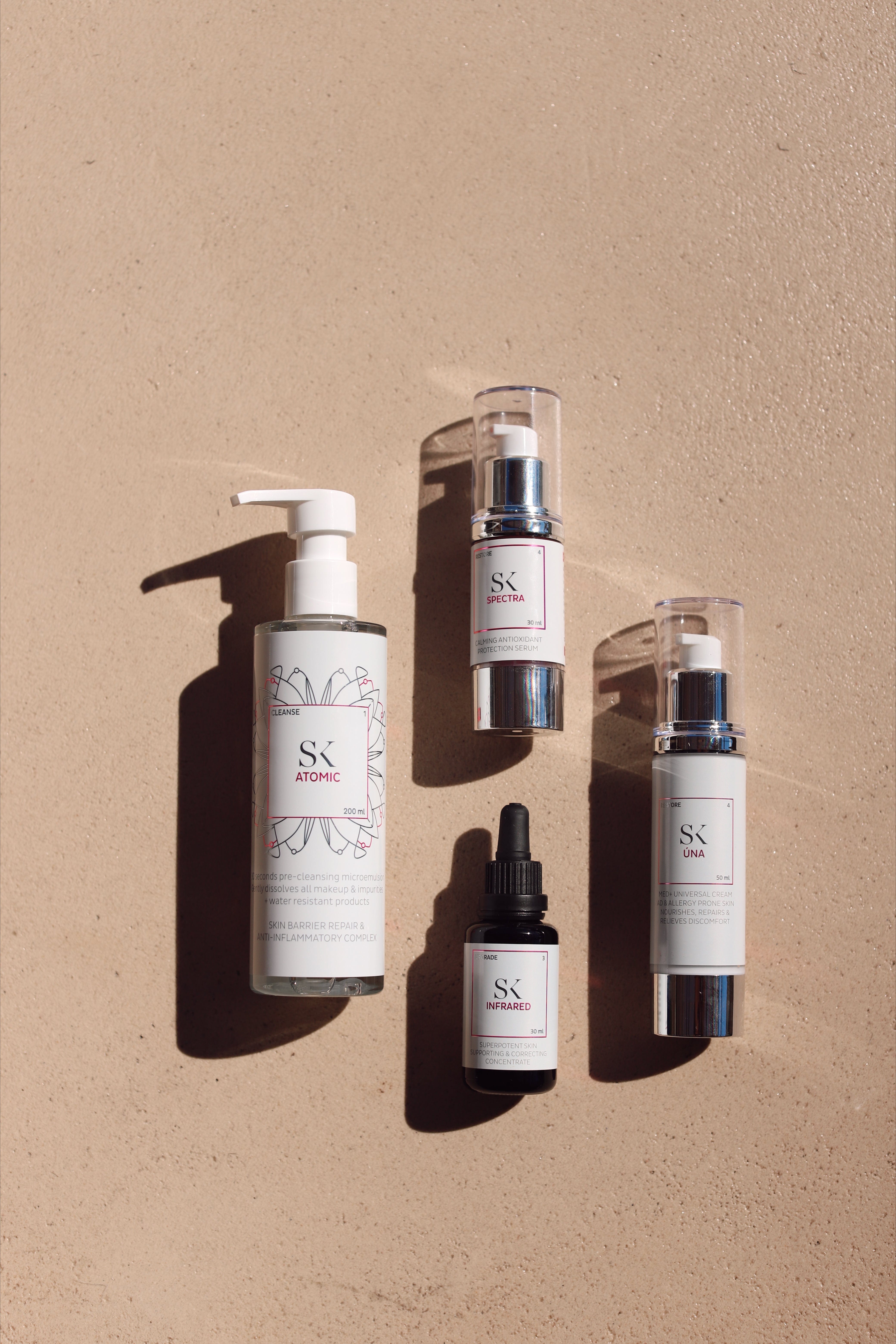
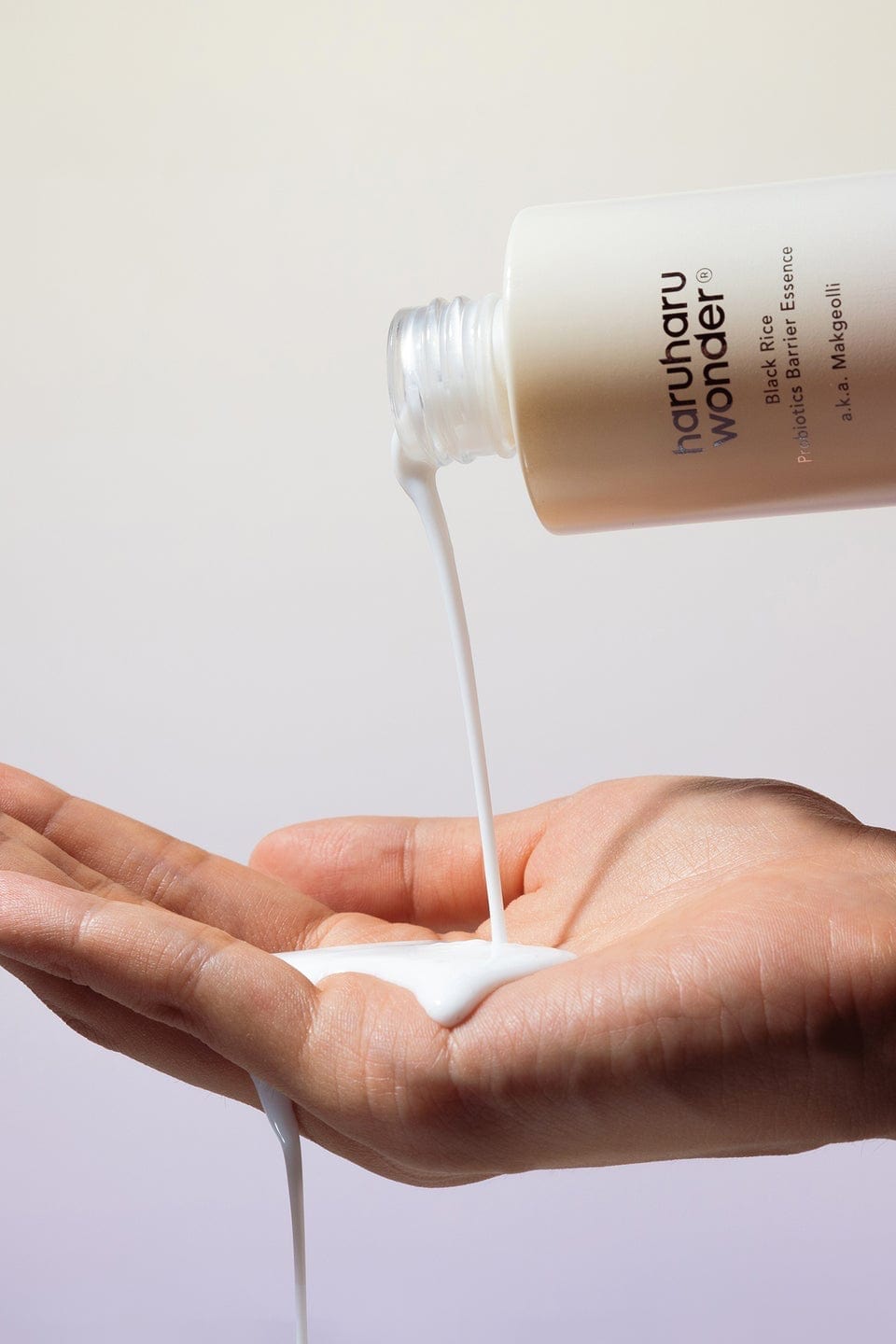


"Where to start?" I know, I have been there when it comes to skincare for beginners. It is the most common question that I hear. Customers and friends often ask it. You don't need a bathroom shelf full of products to get visible results. Understand your skin, start with the basics, and build from there.
I have prepared this guide specifically for you. It helps you identify your skin type and concerns. You will learn which ingredients to trust. It also includes five ready-to-use routines tailored to common needs.
First: Identify your Skin Type and Main Concerns
Before buying anything, spend some time observing your skin. Try this quick at-home test:
- Wash your face with a gentle cleanser and pat dry.
- Wait 20 mins without applying any products.
- Observe how your skin feels and looks in the mirror.
Observe your skin
- Dry: Feels tight, may flake, particularly after washing.
- Oily: Noticeable shine, especially on the T‑zone; makeup may slide off.
- Combination (the most common): Oily T‑zone with drier cheeks.
- Sensitive: Easily red, stings or reacts to products.
Next, identify concerns: acne, pigmentation, visible lines, dehydration , redness or rosacea, and texture. It is perfectly normal to have a skin type and multiple concerns. For example, you might have combination skin with acne and pigmentation.
Your skin type will be the guide to choose your cream and sunscreen. Your skin concern(s) will be the guide to choose your serum (or treatment).
Core Products Every Beginner Needs
Every effective regimen rests on four pillars. These are simple, science-backed and practical for daily life.
- Cleanse — removes dirt, oil and sunscreen.
- Treat — lightweight serums or active ingredients that target concerns.
- Moisturise — maintains the skin barrier and hydration.
- Protect — daily sunscreen to prevent UV damage and premature ageing.
Start small: a three‑product kit (cleanser, serum, cream) is fine for the first month. You’ll save money and make it easier to spot what your skin likes or dislikes.
5 Beginner Routines for Skincare for beiginners Tailored to Different Skin Types and Concerns
1. Normal/Combination — The Everyday Starter
Morning and evening:
- Gentle foaming cleanser
- Light hydrating serum (hyaluronic acid)
- Oil‑free moisturiser
- Sunscreen SPF 50+ (only morning)


2. Dry or Dehydrated Skin
- Cream or balm cleanser
- Hydrating face serum with hyaluronic acid
- Rich, barrier‑repair moisturiser with ceramides or glycerin
- Morning: Sunscreen (mineral or broad‑spectrum)


3. Oily or Acne‑Prone Skin
Morning:
- Gel cleanser with salicylic acid (BHA)
- Lightweight serum with niacinamide to regulate oil
- Oil‑free moisturiser
- Sunscreen (non‑comedogenic)
Evening:
- Cleanse twice if you’ve been wearing SPF/makeup
- Use a BHA product 2–3× weekly or as tolerated
- Spot treatment with benzoyl peroxide or salicylic acid


4. Sensitive or Rosacea‑Prone Skin
- Fragrance‑free, ultra‑gentle cleanser
- Avoid strong acids and retinoids until skin calms
- Soothing moisturiser with niacinamide or allantoin
- In the morning: Mineral sunscreen (zinc oxide) for gentler protection
5. Pigmentation & Ageing Concerns
Morning:
- Gentle cleanser
- Vitamin C serum (antioxidant to brighten)
- Moisturiser
- Sunscreen (reapply during the day)
Evening:
- Cleanse
- Retinoid (start 1–2× weekly and build up)
- Hydrating moisturiser and occasional exfoliation to boost cell turnover


Key Ingredients Beginners Should Know
Ingredients can look scary on labels. Here are plain-English explanations and tips for introducing them safely.
Hyaluronic Acid
What it does: Attracts and holds water, great for instant plumping and hydration.
How to use: Apply on damp skin and follow with a moisturiser to seal it in.
Niacinamide
What it does: Regulates sebum, reduces redness, improves skin texture and strengthens the barrier.
How to use: Generally well tolerated; can be used daily with most other ingredients.
Vitamin C (L-ascorbic acid)
What it does: Brightens skin, reduces pigmentation and neutralises free radicals.
How to use: Morning use under sunscreen; start with lower concentrations (10–15%) and test for sensitivity.
Retinol / Retinoids
What it does: Speeds cell turnover, reduces fine lines and improves acne over time.
How to use: Start slowly — once or twice a week, then increase frequency. Avoid using vitamin C and retinol together in the same routine; alternate nights. Use sunscreen because retinoids can increase sun sensitivity.
AHAs / BHAs (like glycolic acid, salicylic acid)
What they do: Chemical exfoliants that remove dead skin cells. AHAs work on the surface. BHAs penetrate oil and help unclog pores.
How to use: Begin with low concentrations and use 1–2 times per week, increasing as tolerated. Don’t mix strong chemical exfoliants with retinol on the same night.
Addressing Common Concerns
Here are practical approaches for typical issues beginners ask about:
Breakouts and Acne
- Use a gentle cleanser and avoid over-washing.
- Introduce a BHA (salicylic acid) or a benzoyl peroxide spot treatment.
- Look for non-comedogenic moisturisers and oil-free sunscreens.
- Be patient — acne treatments take weeks to show improvement. If severe, seek a dermatologist.
Dry, Flaky Skin
- Swap to a hydrating cream cleanser and richer moisturiser.
- Add hyaluronic acid and an occlusive (like a balm) at night.
- Avoid strong alcohol-based toners or over-exfoliation.
Sensitivity and Redness
- Simplify the routine. Use fragrance-free, minimal-ingredient products.
- Patch test actives and introduce them very slowly.
- Barrier-repair ingredients like ceramides and niacinamide help restore resilience.
Ageing and Fine Lines
- Consistent sunscreen use is the most powerful preventative step.
- Introduce retinol gradually for long-term improvement.
- Hydrating serums and moisturisers plump fine lines temporarily.
Where to Start Shopping
As a beginner, consider buying small sizes or starter kits. At Disruptif Beauty, we include samples in your orders whenever possible. This is based on the products purchased. We also offer a Skincare Consultation service. This service helps build a skincare routine from scratch. It is for those who don't know where to start. Services like this save you time and money.