
La différence entre la purge et les éruptions cutanées est une question courante. Cela se produit avec les nouveaux produits de soin, surtout avec des ingrédients actifs comme le rétinal, le rétinol ou les exfoliants. Ce guide vous aide à faire la différence, à gérer chaque situation et à décider quand continuer ou arrêter le traitement.
Qu'est-ce que la purge cutanée ?
La purge est un phénomène où votre peau accélère son processus de renouvellement naturel. Certains produits, comme les rétinoïdes, augmentent le renouvellement cellulaire. C'est également le cas des exfoliants chimiques (AHA
Signes courants :
- Apparaît dans les zones où vous avez habituellement des éruptions (zone T, menton)
- Les nouveaux boutons sont souvent petits, sous forme de points blancs ou en surface
- Commence quelques jours à quelques semaines après l'introduction d'un actif
- Disparaît en 4 à 8 semaines si le produit est utilisé correctement
Qu'est-ce qu'une éruption cutanée ?

Une éruption cutanée liée à un produit signifie l'apparition d'acné nouvelle et indésirable. Cela ne se serait pas produit autrement. Cela survient généralement parce qu'un ingrédient est comédogène, irritant ou déclenche une réaction allergique. Les éruptions peuvent aussi être causées par le mode de vie ou des facteurs hormonaux. Lorsqu'elles sont liées à un produit spécifique, elles ont un aspect différent de la purge.
Signes qu'il s'agit d'une véritable éruption :
- Apparaît dans des zones où vous n'avez pas d'éruptions habituelles (joues, mâchoire, si ce n'est pas votre zone habituelle)
- Les lésions sont des kystes profonds et douloureux ou de nombreux boutons enflammés
- Commence après l'utilisation d'actifs non exfoliants (crèmes riches, nouveau maquillage, huiles)
- Persiste ou s'aggrave au-delà de 8 semaines malgré l'arrêt du produit
Comment distinguer la purge de l'éruption cutanée
Vous pouvez souvent juger en fonction du moment, de la localisation et du type d'ingrédient actif utilisé. Utilisez cette liste de contrôle rapide en cas de poussée :
- Vérifiez l'ingrédient : Avez-vous commencé à utiliser un rétinol, un AHA/BHA ou un produit sur ordonnance ? La purge est plus probable.
- Observez la localisation : Est-ce dans vos zones d'éruption habituelles ? La purge a tendance à suivre votre schéma habituel.
- Évaluez le type de lésion : La purge provoque des points blancs et de petites bosses ; des kystes profonds suggèrent plutôt une éruption.
- Surveillez le calendrier : Si les choses s'améliorent en 4 à 8 semaines avec une intensité moindre, il s'agit probablement d'une purge. Si cela s'aggrave ou si de nouveaux types d'imperfections apparaissent, envisagez d'arrêter le produit.
Que faire ?
Voici une approche respectueuse de votre peau pour ne pas aggraver les choses :
- Faites un test épicutané : Testez toujours les nouveaux produits sur une petite zone pendant 24 à 72 heures avant une application plus large. Cela permet de détecter immédiatement une réaction irritante ou allergique.
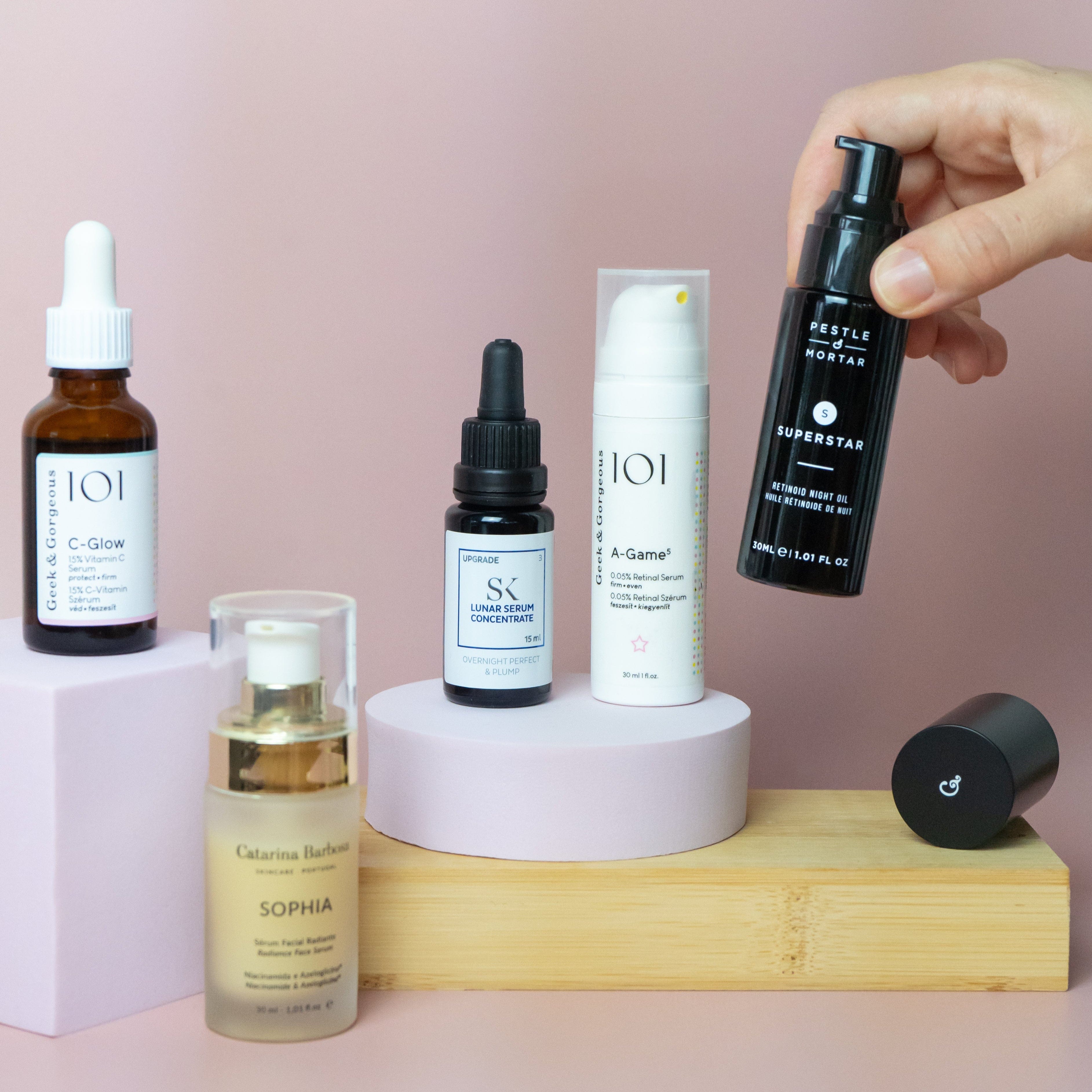
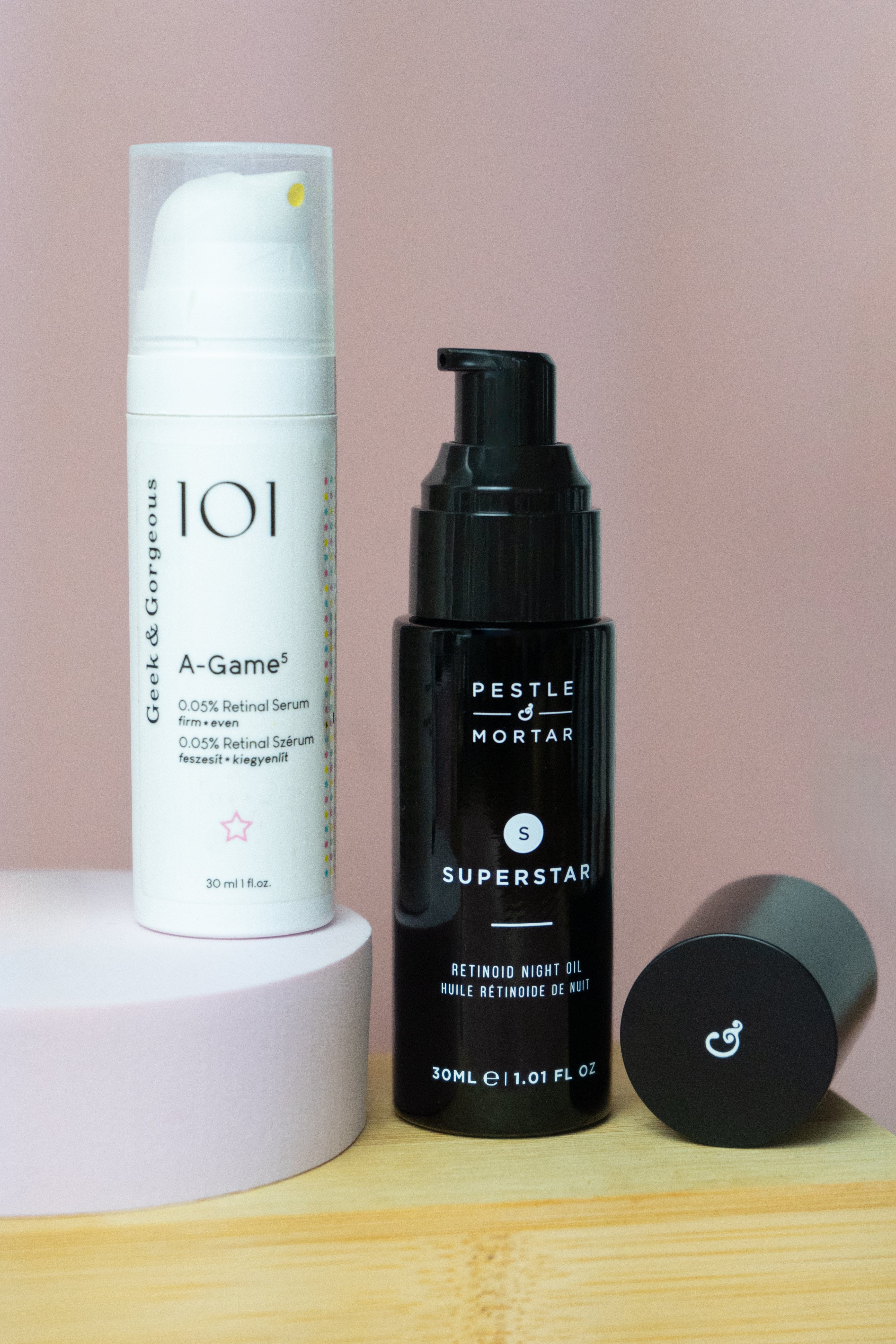
- Introduisez les actifs progressivement : Si vous essayez le rétinol ou des acides, commencez une ou deux fois par semaine et augmentez graduellement. Votre peau doit s'adapter.
- Soutenez la barrière cutanée : Utilisez des nettoyants doux et hydratants (Melt Milk Cleanser) et des hydratants réparateurs de barrière pour apaiser la peau. Évitez toute exfoliation supplémentaire ou un nettoyage excessif.
- Ne tripotez pas : Toucher aux boutons propage l'inflammation et augmente le risque de cicatrices. Vous pouvez utiliser un patch anti-acné pour accélérer la guérison et protéger l'imperfection.
- Utilisez une protection solaire : Les actifs exfoliants rendent la peau plus sensible au soleil. Une protection SPF quotidienne est indispensable.


Quand mettre en pause ou arrêter un produit
Si vous observez une irritation généralisée, arrêtez l'utilisation du produit. Cela inclut une aggravation de l'acné kystique, des rougeurs sévères ou des sensations de brûlure. Tout signe de réaction allergique impose l'arrêt immédiat. Consultez un professionnel ou un dermatologue. Sinon, accordez jusqu'à 6 à 8 semaines pour une éventuelle phase de « purge ». Introduisez le produit progressivement et soutenez la barrière cutanée.
Exemples concrets
Exemple 1 : Vous commencez un nouveau sérum au rétinol. En deux semaines, vous remarquez de petits points blancs. Ils apparaissent sur le nez et le front. Ce sont des zones où vous avez habituellement des points noirs. Après six semaines d'utilisation avec une crème hydratante douce et une protection solaire, la congestion disparaît. C'est la « purge » classique.
Exemple 2 : Vous passez à une crème hydratante plus riche à base d'huile. Soudain, vous avez des boutons profonds et douloureux sur les joues. Ces zones étaient auparavant nettes. Ces boutons persistent après un mois. Il s'agit probablement d'une poussée causée par le produit. Vous devriez arrêter d'utiliser cette crème.

Si vous avez un doute sur la différence entre une purge et une poussée d'acné, nous pouvons vous aider. Les consultations personnalisées chez Disruptif Beauty vous évitent bien des soucis. Notre équipe est spécialisée dans les produits dont l'efficacité est prouvée. Nous vous recommanderons un plan d'introduction doux adapté à votre type de peau.
Questions fréquentes
Combien de temps dure généralement une purge ?
Une purge dure généralement entre 4 et 8 semaines. Si vous constatez une nette amélioration après cette période, il s'agissait probablement d'une purge. Sinon, réévaluez le produit et votre routine.
La purge est-elle nécessaire pour voir les résultats d'un actif ?
Non, la purge n'est pas strictement nécessaire, mais elle est courante avec les actifs puissants qui favorisent le renouvellement cellulaire. Vous pouvez en réduire l'intensité en introduisant l'actif progressivement.
Une crème hydratante peut-elle causer une poussée d'acné ?
Oui, les crèmes hydratantes trop lourdes ou comédogènes peuvent provoquer des poussées, surtout si elles ne sont pas adaptées à votre type de peau. Recherchez la mention « non-comédogène » si vous êtes sujet(te) à l'acné.
Dois-je arrêter le rétinol si j'ai une poussée d'acné ?
Pas immédiatement. S'il semble s'agir d'une purge, réduisez la fréquence d'utilisation et accompagnez-la d'une crème hydratante. Arrêtez si vous développez une irritation sévère, des kystes ou une réaction allergique.
Quels produits aident à apaiser une purge ?
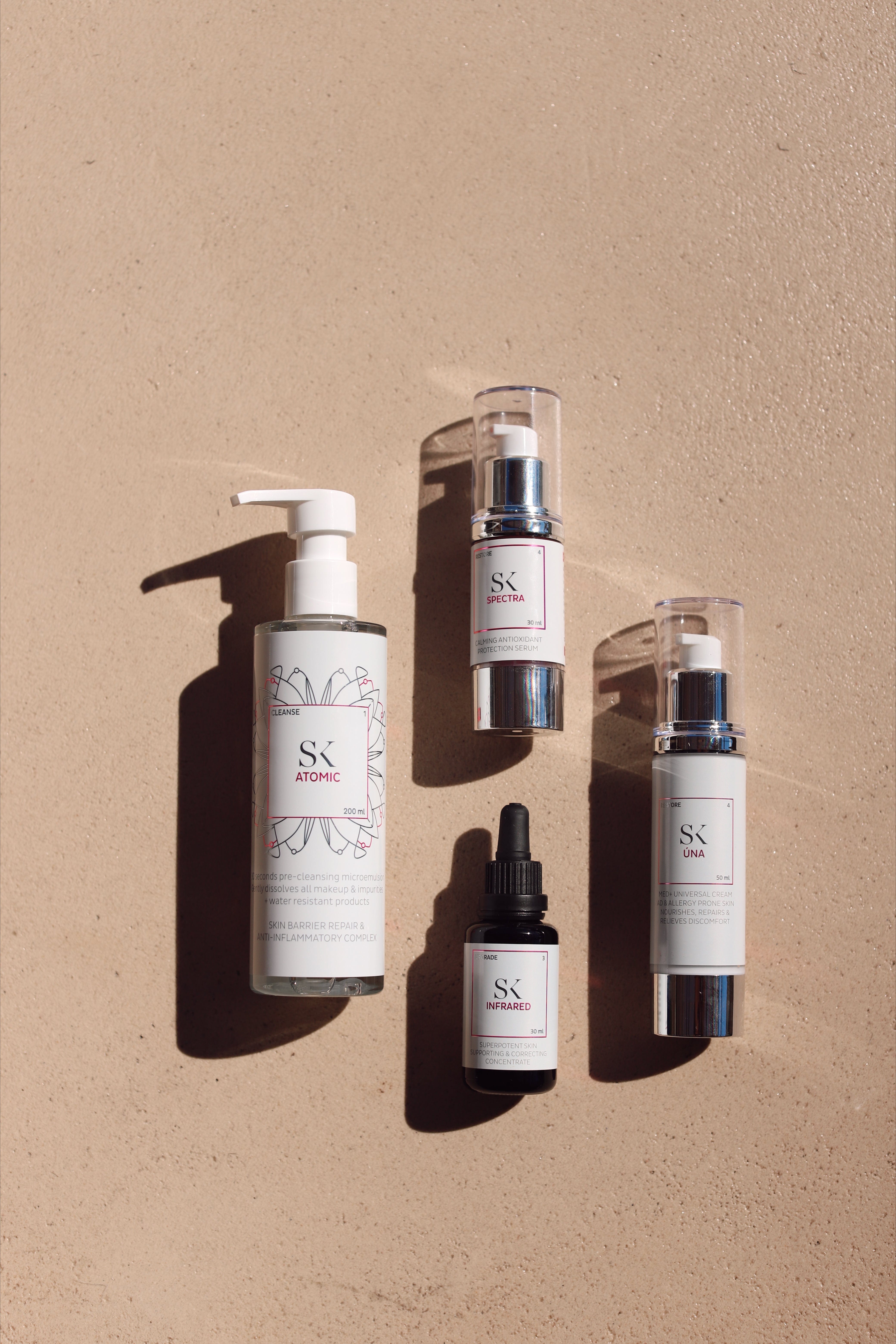
Produits à base de Centella Asiatica et de céramides. La vitamine B12 et le panthénol (nous adorons le Spectra de Skintegra pour cela) peuvent également être d'une aide précieuse. Et bien sûr, portez toujours une protection solaire en journée.